

Reimagining Regional Futures: Space One and MUFG Take Aim at Kushimoto’s Space Economy
MAR. 27, 2025
Throughout history, humanity has created and reshaped economic spheres by fostering new industries through collaboration among diverse players. Today, that frontier is expanding into space.
In this three-part series, we explore how MUFG (Mitsubishi UFJ Financial Group)—an institution that has long supported groundbreaking innovation and played a key role in the birth of new industries—is now taking on the challenge of shaping a new ecosystem born from the space economy. Rather than focusing solely on businesses using space technologies, MUFG approaches the future of industry creation from a broader, financial perspective—revealing insights only visible from such a vantage point.
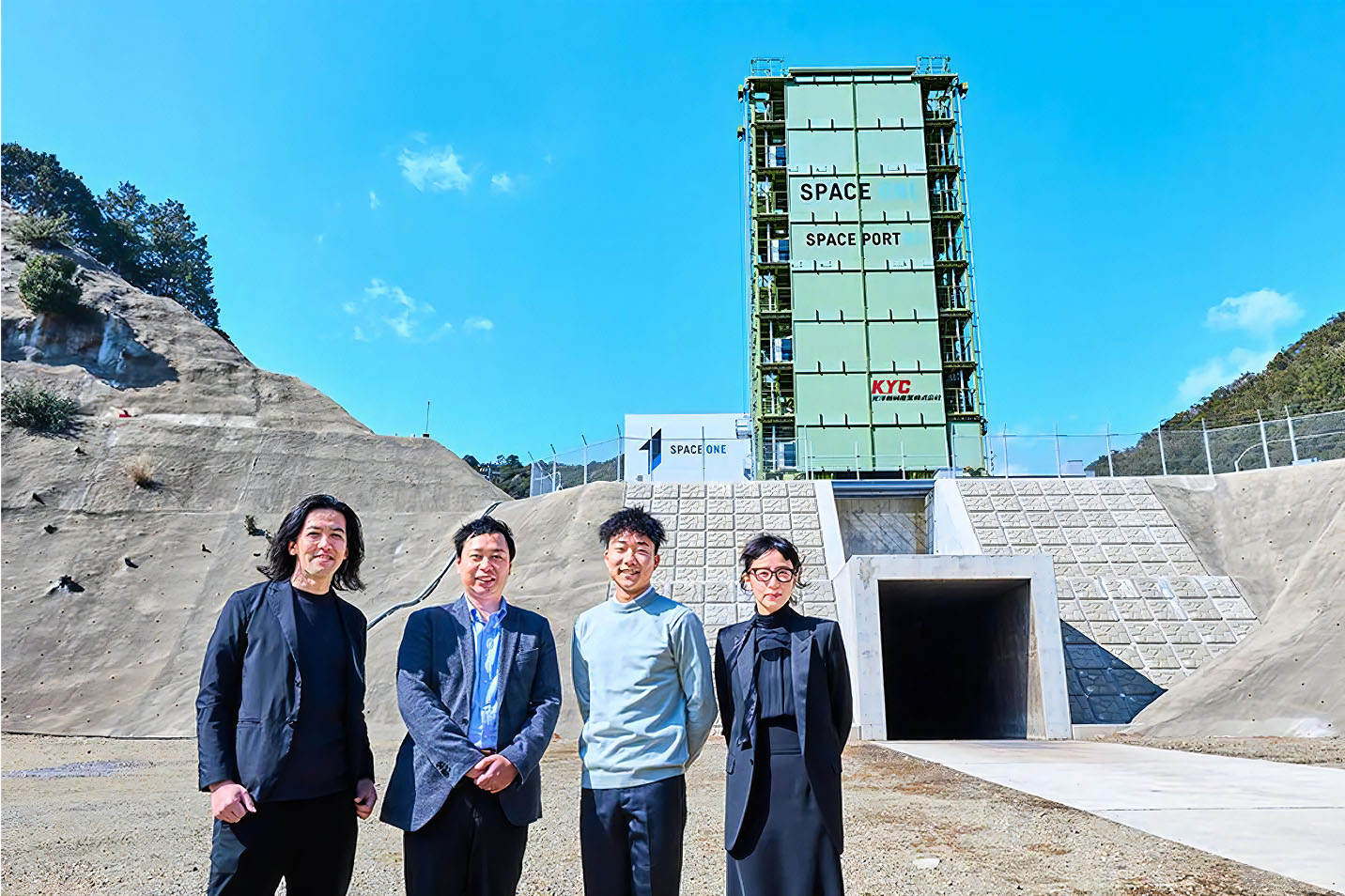
In this second installment, we turn our attention to Space One—a company developing Japan’s first private-sector rocket launch system. More than just a technical venture, its presence in Kushimoto, a coastal town in Wakayama Prefecture, has sparked a grassroots movement toward “space-driven community building.”
“That explosion was the sound of a rematch.”
At Space One’s facility in Kushimoto, a wall is covered with letters and messages of support from across Japan. Among them, a message written boldly by students from the Space Exploration Program at Kushimoto Koza High School stands out: “That explosion was the sound of a rematch.”
Just nearby stands the company’s launch complex, Spaceport Kii—Japan’s first civilian rocket launch site. On December 18, 2024, as Space One prepared to launch its KAIROS-2 rocket, supporters flocked to the town not only from Wakayama, but from across the country. Enthusiasts live-streamed the event on YouTube and social media, while many others watched via television. From schoolchildren to seasoned engineers, people of all ages came together to witness the challenge. Few industries ignite this level of nationwide anticipation and emotional investment—space is, quite literally, in a league of its own.
Challenging the Status Quo: Toward the “World’s Fastest” and “Most Frequent” Launches
“We don’t use the word ‘failure’ here,” says Yuri Katsuike from Space One’s Planning and Outreach Division. “It’s not part of our vocabulary.”
Space One has conducted two launches so far. While neither succeeded in placing a satellite into orbit, the team remains undeterred. “We approach each launch as a step on a clearly defined roadmap. Our first mission, starting from zero, reached Step 2. The second made it to Step 3. In that sense, these are not failures—they’re milestones in our progression.”
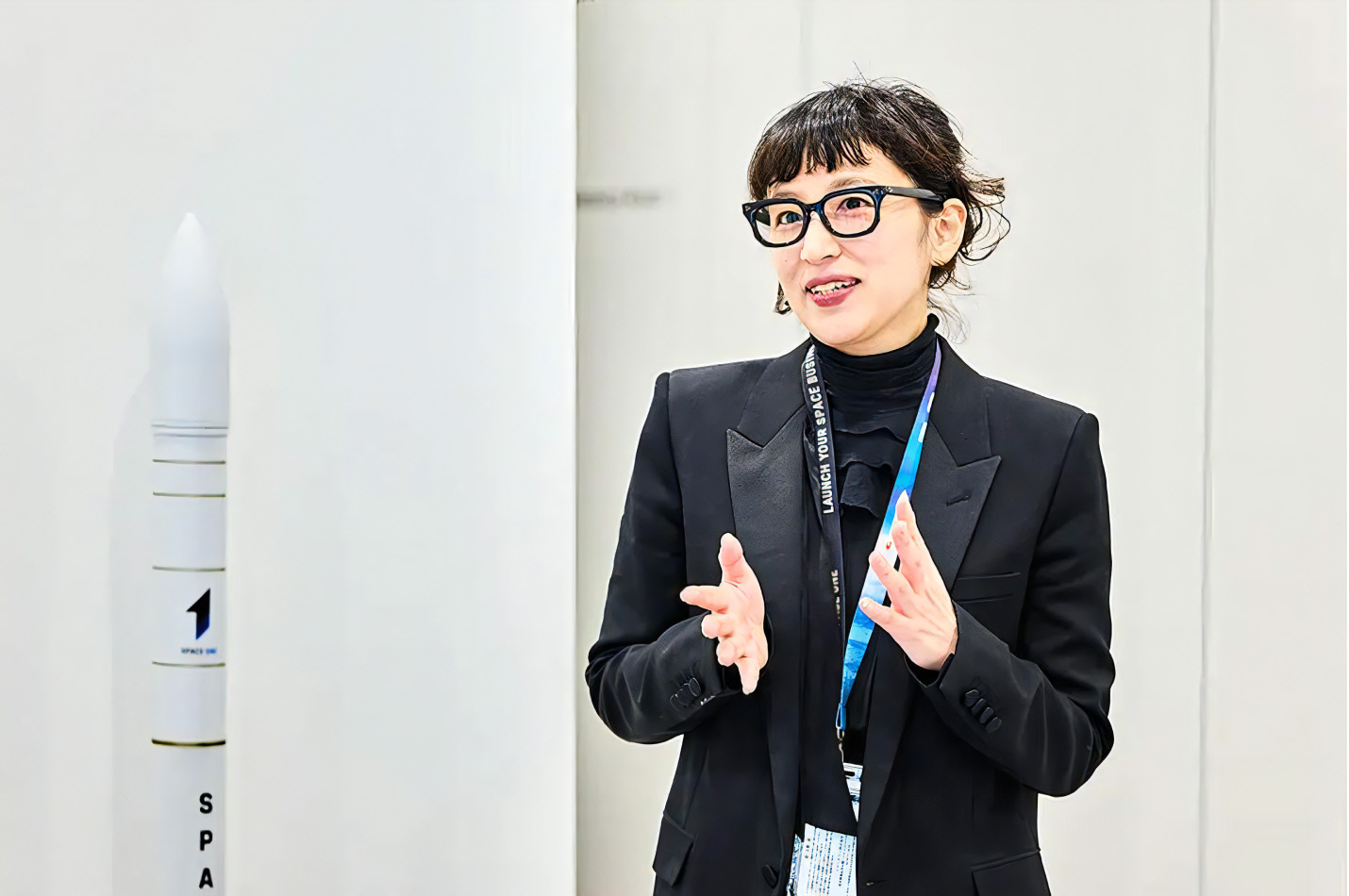
Yuri Katsuike, Manager, Planning, Sales & External Affairs Division, Space One Co., Ltd.
Japan’s cautious approach to risk is often viewed as a structural factor limiting its pace of innovation.
Space One’s philosophy—“not failure, but progress”—offers a powerful response to Japan’s traditionally risk-averse mindset. It resonates deeply with the words of local high school students who witnessed the launch: “The explosion was the sound of a rematch.” Taken together, these voices reflect a new cultural undercurrent—one that reframes failure as part of the process and draws strength from shared conviction and collective support.
“If we stop challenging ourselves out of fear of failure, progress halts. As a small rocket system developer and service provider, we’re committed to building the shortest launch cycle in the world—less than one year from contract to lift-off—and the highest launch frequency globally, with more than 20 launches per year from a single site.”
Redefining Capability: Shaping Japan’s Future Strategy in Space
“You can’t generate returns without identifying and embracing risk.”
These words from Yoshimi Nagayama of MUFG’s Space Innovation Office highlight the institution’s role within a broader movement of conviction and support catalyzed by Space One—where local enthusiasm and technical ambition intersect to drive meaningful progress.
“Space One is currently the only company in Japan pursuing both rocket development and launch site construction,” Nagayama explains. “Founded in July 2018, they completed Spaceport Kii in 2022 and conducted two launch attempts—KAIROS-1 in March 2024 and KAIROS-2 in December. By any global standard, their speed is extraordinary. This progress is not just a function of their technical ability or passion, but of the structural advantage of owning both the rockets and the launch site.
As the global satellite industry transitions from government-led programs to private-sector-driven solutions, demand is growing for responsive, small-satellite launches. In this shifting landscape, Space One’s early and integrated approach gives it a competitive edge. Accumulating operational experience ahead of the curve will allow the company to turn reliability and launch frequency into strategic assets.”
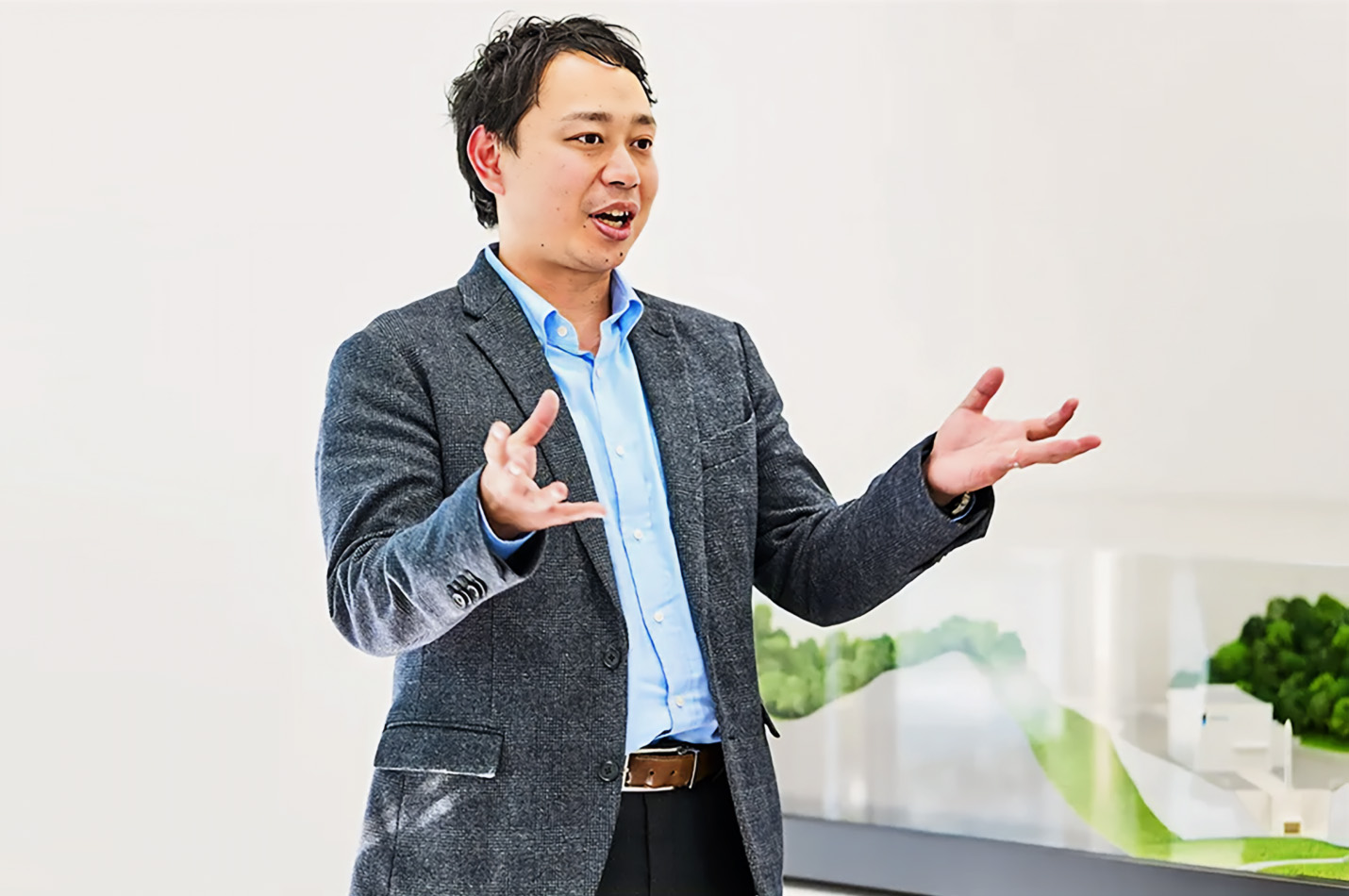
Yoshimi Nagayama, Senior Manager, Space Innovation Office, Sustainable Business Division, MUFG Bank, Ltd.
This approach reflects a broader shift in how space infrastructure is conceived—not simply as a means to launch, but as a strategic platform with implications far beyond orbit. By internalizing both the hardware and the launch environment, Space One is not only accelerating timelines, but also redefining what domestic space capability looks like in Japan. As new policies push for private-sector leadership in satellite deployment, the company’s early investments in integrated infrastructure offer a glimpse into the industrial architecture that could shape Japan’s role in the global space economy.
MUFG made its first co-creation investment in the space sector by backing Space One in December 2022. Rather than focusing on eye-catching technologies, the bank chose to invest in infrastructure—laying the groundwork for sustained growth in a sector where stability and trust are prerequisites for scaling.
“Each Space One rocket reflects not just innovation in the space industry, but the accumulated strengths of Japanese manufacturing—from automotive and electronics to precision components,” says Nagayama. “Most of their Tier-1 suppliers are domestic. We have deep confidence in Japan’s industrial base. That’s why MUFG has committed not just capital, but also strategic support—to grow this business together, help catalyze momentum across the supply chain, and help shape a globally competitive space economy.”
Nagayama’s own background reflects the seriousness of MUFG’s intent.
“I earned a master’s degree in aerospace engineering before joining MUFG,” he said. “I wanted to operate at the intersection of finance, strategy, and industry—and help elevate Japan’s space sector on the world stage. Since being seconded to Space One in February 2023, I’ve worked across corporate planning, finance, domestic and global client development, and public communications. I’ve also focused on identifying high-potential suppliers through MUFG’s network.”
Local Lift-Off: Extending the Impact of Space Across the Region
“Today marks a historic moment for the future of Wakayama,” said Governor Shuhei Kishimoto following the launch of KAIROS-2. “Nothing teaches children more than watching adults throw themselves wholeheartedly into something they believe in.”
Wakayama Prefecture is no longer a passive observer in Japan’s space ambitions—it has become an active participant in what has grown into a full-fledged ecosystem of belief, support, and strategic investment. Keigo Yoshida from the prefecture’s Growth Industry Promotion Division describes the shift happening on the ground:
“With two successful launches now in the books, companies here in Wakayama have begun to view space as something within reach,” Yoshida said. “Local business leaders—even from non-space sectors—are taking the initiative: organizing study sessions, exploring partnerships, and showing a renewed entrepreneurial spirit inspired by the challenge of space. Some of them joined a business matching event hosted by MUFG to engage directly with Space One. These conversations helped crystallize the needs and barriers to entry, bringing space closer to the daily realities of local enterprises. It’s no longer an abstract dream—it’s becoming a viable next step. Now it’s our responsibility as a local government to create the platforms and support systems that allow these businesses to act.”
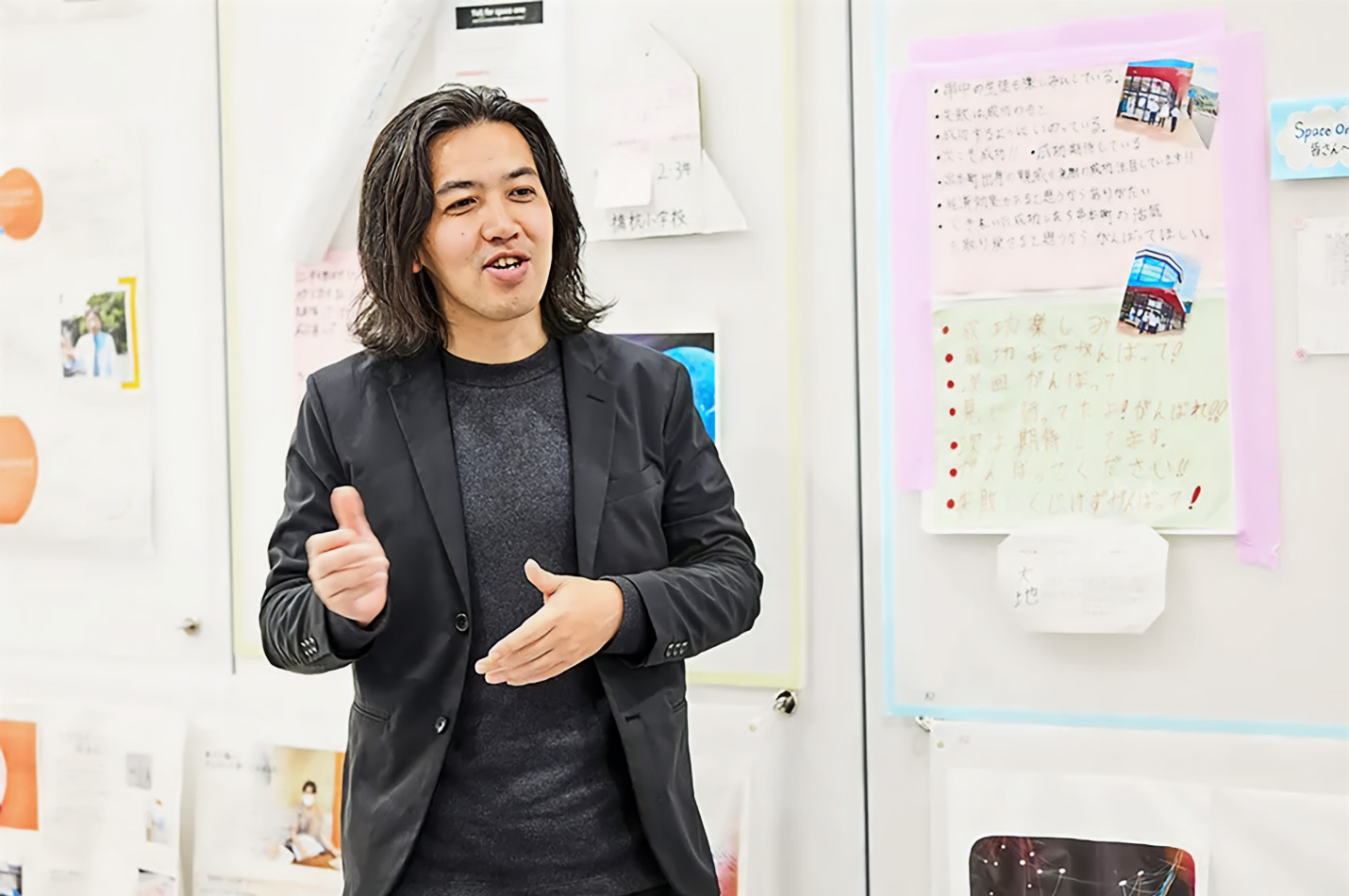
Keigo Yoshida, Deputy Director, GX Promotion Team, Growth Industry Promotion Division, Department of Commerce, Industry, Labor and Tourism, Wakayama Prefectural Government
Since construction began on Spaceport Kii in late 2019, the mindset shift across Wakayama has been both broad and deep. What was once a remote national project has evolved into a regional movement—energizing communities and redefining civic ambition.
“In fiscal 2025, we’ll launch a new initiative under the name ‘Space-Driven Community Development,’” Yoshida adds. “It’s not just about industry or tourism or education in isolation—we want to explore how far the reach of space can extend into the fabric of our region. That’s the challenge we’re setting for ourselves as a government.”
From Pilgrimage Destination to Launch Site: A Young Advocate’s View of Wakayama’s Future
“We’re only at the beginning. The first launch was just the start.”
These words came from Kentaro Kiyono, then a senior at Kushimoto Koza High School, moments after Space One’s inaugural KAIROS-1 rocket launch. His hands were trembling as he live-streamed the event on the school’s official YouTube channel, but the experience left an impression that continues to guide him.
Now a university student studying tourism at Wakayama University, Kiyono remains a vocal supporter of Spaceport Kii. He’s taken part in talk shows, narrated launch day streams, and even worked as a tour guide to help communicate the value of the site to visitors.
“Wakayama is home to the Kumano Kodo, an ancient network of pilgrimage trails recognized by UNESCO for its spiritual and cultural significance,” Kiyono said. "And now, it’s also home to a new kind of journey—one that begins at Spaceport Kii and reaches toward the stars. That dual identity is something I’m deeply proud of. My hope is to help share the region’s appeal more widely and raise the value of our local assets.”
Following the KAIROS-1 launch, his high school became the first public school in Japan to introduce a dedicated “Space Studies Track.” The curriculum includes specialized courses in collaboration with universities, research institutes, and space-related companies. Former JAXA professionals are involved in teaching, and the program is attracting students from outside the prefecture.
The enthusiasm for space is spreading across the town. Local cafes now feature launch-themed menus—like the “Kushi Seafood Rocket Fry Curry”—and banners announcing rocket events are proudly displayed around town. The momentum is visible, tangible.
“I participated in the local qualifying round of the CanSat Koshien,” Kiyono adds, referring to a national high school competition involving soda-can-sized model satellites. “So to have a space track established at my alma mater means a lot to me. That wouldn’t have happened without Space One building a launch site right here. I truly believe that one day, students from this town will go from launching CanSats to building real satellites—flying them into space aboard a rocket that takes off from their own hometown.”
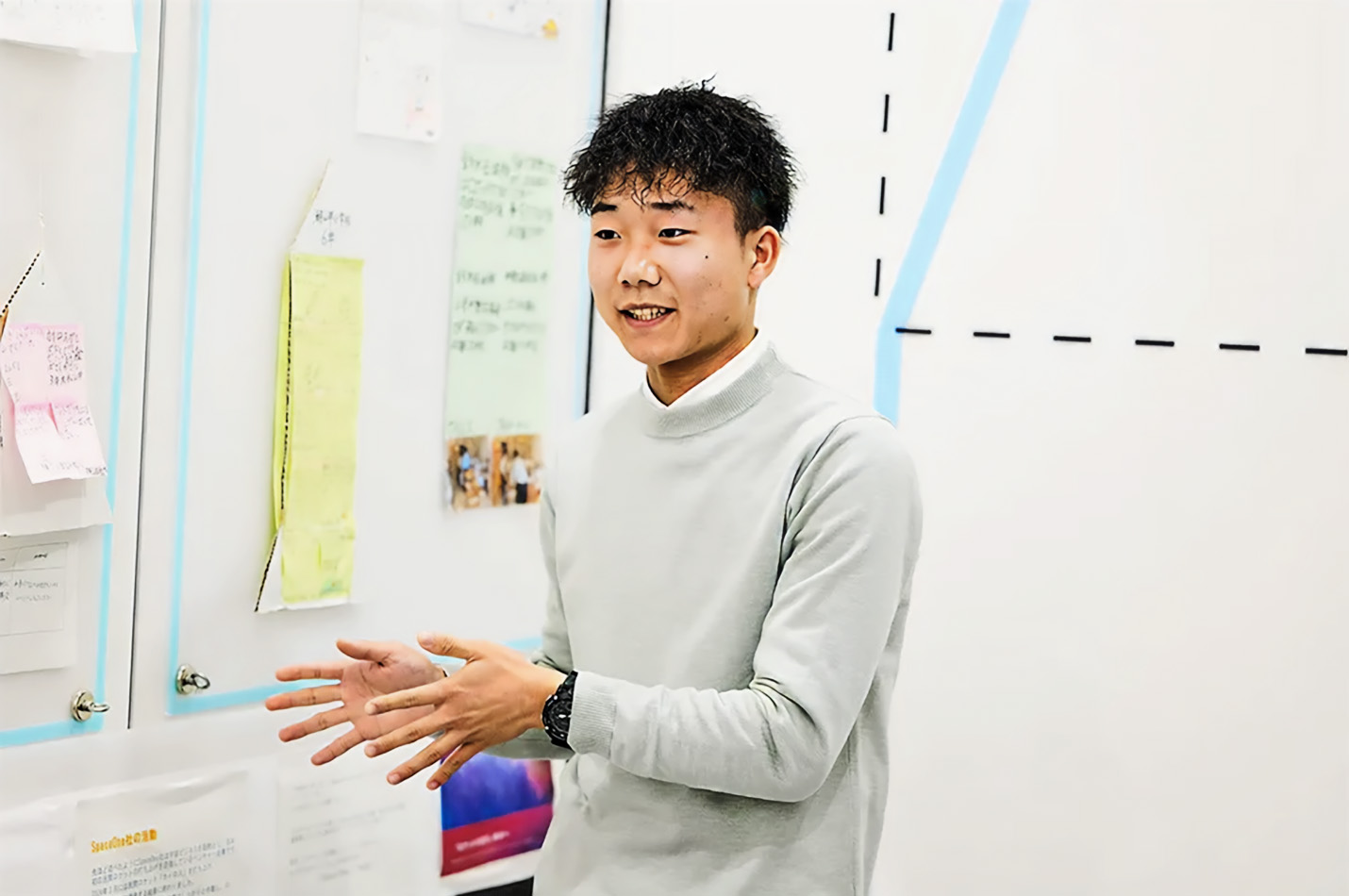
Kentaro Kiyono, Undergraduate Student, Faculty of Tourism, Wakayama University
Imagination is the true engine of transformation. Across Japan, from industry stakeholders to students, people are looking skyward—not merely awed by a rocket launch but awakened to the scale of what it enables. Space One has ignited more than a propulsion system; it has triggered a shift—activating the early mechanics of a new industrial ecosystem built around space.
With the third KAIROS launch on the horizon, Japan stands at a threshold. What comes next is no longer a possibility—it is the unfolding of an emerging reality.
Yoshimi Nagayama
Senior Manager, Space Innovation Office, Sustainable Business Division, MUFG Bank. After completing his studies in aerospace engineering, Yoshimi Nagayama joined MUFG Bank, where he worked in various departments including corporate sales, planning, and industry research. He was later seconded to Space One, where he has been involved in a wide range of tasks including corporate planning, finance, domestic and international sales, and public relations.
Yuri Katsuike
After working at a foreign-affiliated public-relations agency, Yuri Katsuike moved to a publishing company and then to the Institute for Global Environmental Strategies (IGES). She has been with Space One since March 2024, where she has been in charge of crisis management, public relations strategy, and stakeholder engagement in preparation for Japan’s first satellite launch into orbit by a private rocket.
Keigo Yoshida
After joining Wakayama Prefectural Government, Keigo Yoshida has consistently worked in the field of commerce and industry administration, establishing himself as a specialist in this area. He has planned and managed various initiatives, including the launch of an entrepreneurial platform, a value creation project for small and medium-sized enterprises utilizing design-driven management, and an entrepreneurship education program. Since 2024, he has been involved in fostering the space and green transformation (GX) industries, as well as supporting startups and venture businesses.
Kentaro Kiyono
Hailing from Kushimoto, Wakayama Prefecture, Kentaro Kiyono graduated from Kushimoto Koza High School in 2024 and then enrolled in the Faculty of Tourism, Wakayama University. Having been fascinated by space since childhood, he established a CanSat project team during his first year of high school. Currently active as a university student committed to space-related initiatives from various perspectives, he has been involved in producing a promotional video for the KAIROS rocket and serving as an MC in the special seating area of the official launch viewing site.
MAR. 26, 2025
Empowering Japan’s Space Industry: How MUFG’s Financial Strength Is Shaping a More Sustainable Tomorrow
Takumi Hashizume
Space Innovation Office, Sustainable Business Division, MUFG Bank, Ltd.
Yasutaka Fujii
Mitsubishi Electric Space Business Development Center
Shohei Okano
Japan Ministry of the Environment

MAR. 31, 2025
Dream Chaser’s Homecoming: Cross-Industry Collaboration Driving the Future of Oita Spaceport
Yuta Inaba
Space Innovation Office, Sustainable Business Division, MUFG Bank, Ltd.
Tadashi Morimitsu
Oita Prefectural Government
Ryuto Hashiba
Space Program, Japan Airlines’ Business Development Division.