

A Cross-Sector Vision Takes Flight: When Dream Chaser Lands in Oita
MAR. 31, 2025
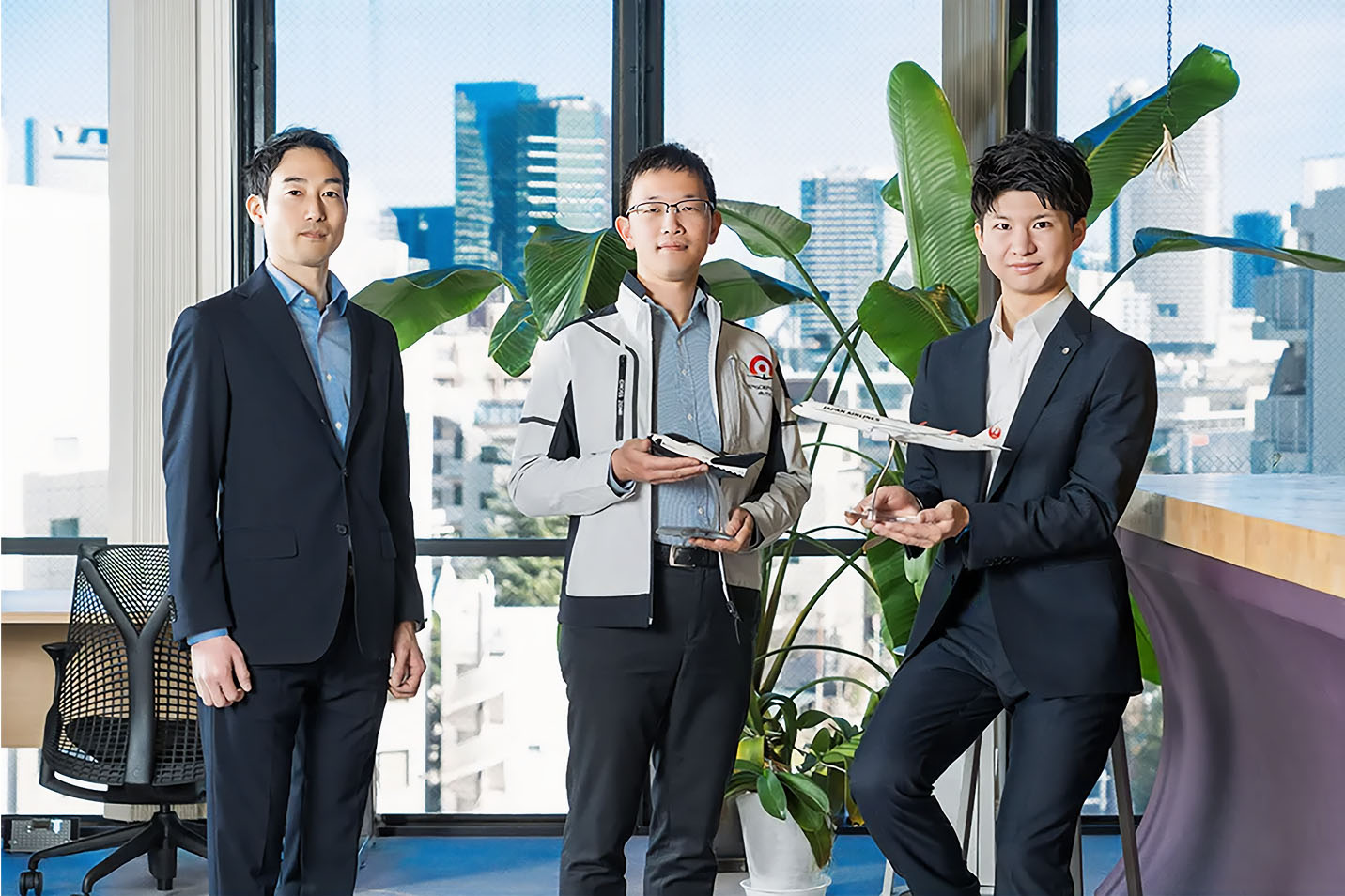
Throughout history, humanity has created and reshaped economic spheres by fostering new industries through collaboration among diverse players. Today, that frontier is expanding into space.
In this three-part series, we explore how MUFG (Mitsubishi UFJ Financial Group)—an institution that has long supported groundbreaking innovation and played a key role in the birth of new industries—is now taking on the challenge of shaping a new ecosystem born from the space economy. Rather than focusing solely on businesses using space technologies, MUFG approaches the future of industry creation from a broader, financial perspective—revealing insights only visible from such a vantage point.
The third installment focuses on Oita Prefecture, where a new chapter in Japan’s space ambitions is taking shape. Sparked by the goal of enabling spaceplane landings, the region has launched a bold initiative to develop the foundations of a next-generation space industry. This story follows the early signals of transformation—where global aerospace meets local aspiration.
On February 5, 2025, the Cabinet Office of Japan announced the winners of the 7th Japan Open Innovation Prize. Among the recipients was a groundbreaking initiative based in Oita Prefecture—recognized with the Special Jury Award for its efforts to build a space industry ecosystem centered on receiving Sierra Space’s Dream Chaser spaceplane. The award honors outstanding achievements in cross-sector collaboration, highlighting how government, academia, and industry can co-create high-impact innovations. In Oita, the vision of turning a regional airport into a spaceport is no longer aspirational—it’s operational.
When people think of space, they often imagine major agencies like NASA or JAXA. But in Oita, the future is being shaped by professionals from across industries—engineers, airport authorities, startup founders, airline veterans, and more—each contributing their expertise toward a shared goal: building a new kind of space industry.
What’s driving today’s space industry isn’t technology alone—it’s the convergence of creativity and cross-sector collaboration. And few places reflect that shift more clearly than Oita, where a new kind of industrial synergy is beginning to take shape.
Landing the Future: How a Spaceplane Could Redefine Industry, Tourism, and Education in Oita
In February 2022, Oita Prefecture signed a partnership agreement with U.S.-based Sierra Space and Japanese trading company Kanematsu, which supports domestic firms in advancing space-related initiatives through its alliance with Sierra Space.
“Sierra Space is preparing to use its Dream Chaser spaceplane to deliver supplies, equipment, and scientific materials to the International Space Station (ISS),” explains Tadashi Morimitsu, Deputy Director of Oita’s Advanced Technology Promotion Division. “They’re also working with Blue Origin and other partners to develop commercial space stations. We hope Oita Airport in Kunisaki City will become a designated landing site for the spaceplane when it returns from orbit.”
The implications are significant. By serving as both a commercial airport and a spaceport, Oita could become a strategic hub for space-related business in Asia.
“It would mean a fundamental shift in our regional economy,” Morimitsu says. “We anticipate that new industries will emerge and existing ones will evolve as advanced technologies cluster around space. To help local businesses participate in this transformation, we’ve already begun hosting seminars on space data applications and startup support.”
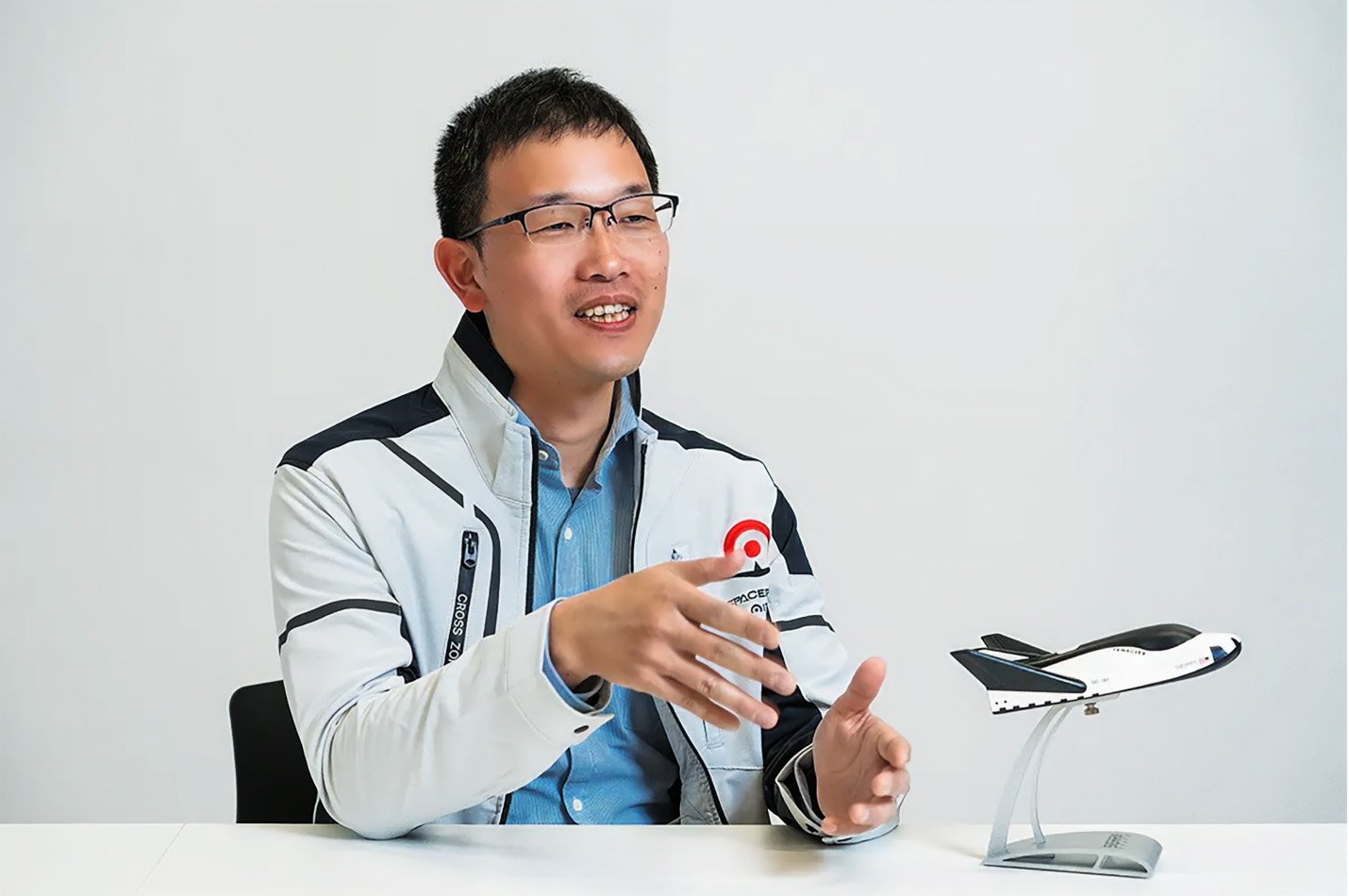
Tadashi Morimitsu, Deputy Director of Oita’s Advanced Technology Promotion Division.
Though no spaceplane has landed yet in Oita, the region has already reached space in other ways. A group of local companies—including traditional letterpress makers—collaborated to send a specially designed metal plate to the ISS for an extended exposure experiment. This grassroots project reflects growing interest among non-space industries, sparked by awareness of Oita’s spaceport initiative.
Known for its natural hot springs—boasting the highest number and volume in Japan—Oita has long branded itself as the “Onsen Prefecture.” Now, with its new tagline “Space - Onsen Prefecture Oita,” the region is exploring space-themed tourism campaigns in collaboration with local companies.
Education is also poised to benefit. Space is more than a theme—it’s a platform for immersive, interdisciplinary learning that could inspire the next generation of scientists, engineers, and entrepreneurs.
"In fiscal 2024, a new “SPACE Track” was introduced at Kunisaki High School, located in the same city as Oita Airport. This marks a tangible step toward giving local students a clearer sense of how their future could intersect with space," says Morimitsu.
Having a spaceplane landing site in the region doesn’t just bring new infrastructure—it signals the birth of new industries, tourism opportunities, and educational programs. It offers a new sense of purpose.
If the next generation is to believe in their own future, they must first believe in the future of the place they call home. That sense of optimism—the emotional fuel behind innovation—is the true engine of growth. In Oita, a dynamic ecosystem is forming around that belief, with Oita Airport at its heart.
Co-Creation in Motion: JAL Joins a Growing Space Ecosystem
Sierra Space’s Dream Chaser is designed for runway landings. Even though the spaceplane is launched into orbit vertically, it returns to Earth by gliding down like an aircraft. This unique profile requires that any airport designated as a landing site must be capable of managing highly specialized operations. In Oita, that responsibility is being taken on by Japan Airlines (JAL), the country’s longest-standing commercial airline.
“In December 2022, Japan Airlines formally joined the Oita spaceport initiative alongside Sierra Space and Oita Airport,” says Ryuto Hashiba, Space Program Specialist at Japan Airlines’ Business Development Division. “This marks our first full-scale commitment to space transport.”
Hashiba, who holds a master’s degree in space physics from Hokkaido University and previously conducted research at JAXA, joined JAL with a long-term vision: to prepare for an era when airlines would also serve the space industry. In 2024, he transitioned to JAL’s newly launched Space Group, where the Dream Chaser partnership has become a flagship initiative.
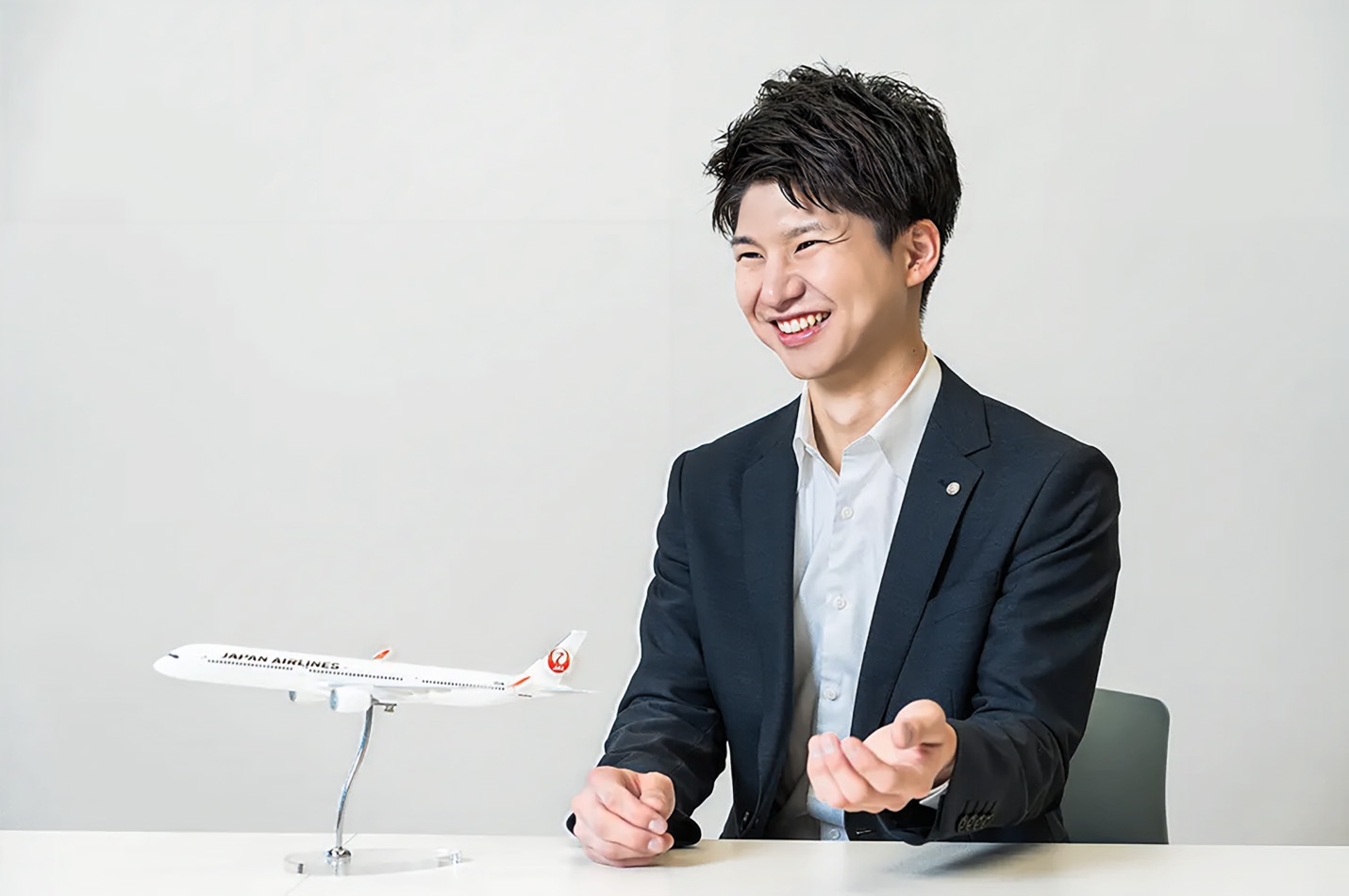
Ryuto Hashiba, Space Program Specialist at Japan Airlines’ Business Development Division.
“What began in early 2022 as a three-party partnership between Oita Prefecture, Sierra Space, and Kanematsu has since evolved into a dynamic multi-stakeholder alliance,” he explains. “It now includes JAL, MUFG, Tokio Marine & Nichido, and Space Port Japan. Together, we were honored with the Special Jury Award at the 7th Japan Open Innovation Prize for presenting a roadmap to connect Japan with low Earth orbit through a sustainable ecosystem.”
No single company or individual can build the future of space alone. But when a coalition forms—uniting strengths across industries, regions, and roles—impossible ideas begin to take shape. Across Japan, co-creation is emerging as a powerful driver of the space economy. Few initiatives embody that momentum more clearly than the Dream Chaser landing project in Oita, where an unusually diverse alliance is laying the groundwork for something unprecedented.
“JAL is leveraging decades of expertise in aviation to prepare for this next-generation role,” says Hashiba. “We’re also working closely with Oita Prefecture to ensure the initiative creates impact beyond the runway—spanning tourism, education, and regional development. As of now, seven organizations are co-creating the Dream Chaser ecosystem. From Tokio Marine’s leadership in risk management to Space Port Japan’s advocacy and international coordination, this alliance is growing stronger by the day. It’s a powerful collective—and it’s helping to propel Japan’s space industry into its next chapter.”
What’s emerging around Dream Chaser is more than just a project. It’s a microcosm of Japan’s evolving space economy—built on trust, specialization, and shared ambition.
Beyond Investment: What MUFG Is Really Supporting Through Space
Amid the momentum driving Japan’s new space economy, MUFG is emerging as a major force shaping the future. In September 2023, MUFG completed its third strategic co-creation investment in the space sector by investing in Sierra Space. But the move was about more than financial returns—it was about securing Japan’s access to the next frontier of innovation.
“There’s a strong economic rationale behind our decision,” says Yuta Inaba of MUFG’s Space Innovation Office.
“We believe Japan must maintain a direct connection to the next generation of space stations—not just as a symbolic presence, but to secure a platform for high-value R&D that drives future industries. The current International Space Station, where Japan operates the Kibo module, is expected to retire around 2030. What follows is not just a transition in infrastructure, but a structural shift in who controls access to the most advanced research environments in orbit.
These new commercial stations will be critical to developing next-generation materials, pharmaceuticals, and semiconductors under microgravity—technologies that directly impact national competitiveness. In that context, losing orbital access would mean losing economic leverage in key global industries.
That’s why we see our investment in Sierra Space as involving more than capital—it’s a strategic alignment with an emerging player shaping the architecture of the post-ISS economy. By positioning ourselves now, we’re enabling Japanese companies to take part in that ecosystem, not as bystanders, but as co-developers of the next industrial frontier.”
Inaba himself brings deep expertise to this mission. From 2022 to 2024, he was seconded to JAXA’s New Business Promotion Department, helping to drive partnerships between Japan’s national space agency and non-space enterprises, and supporting the development of space-focused startups.
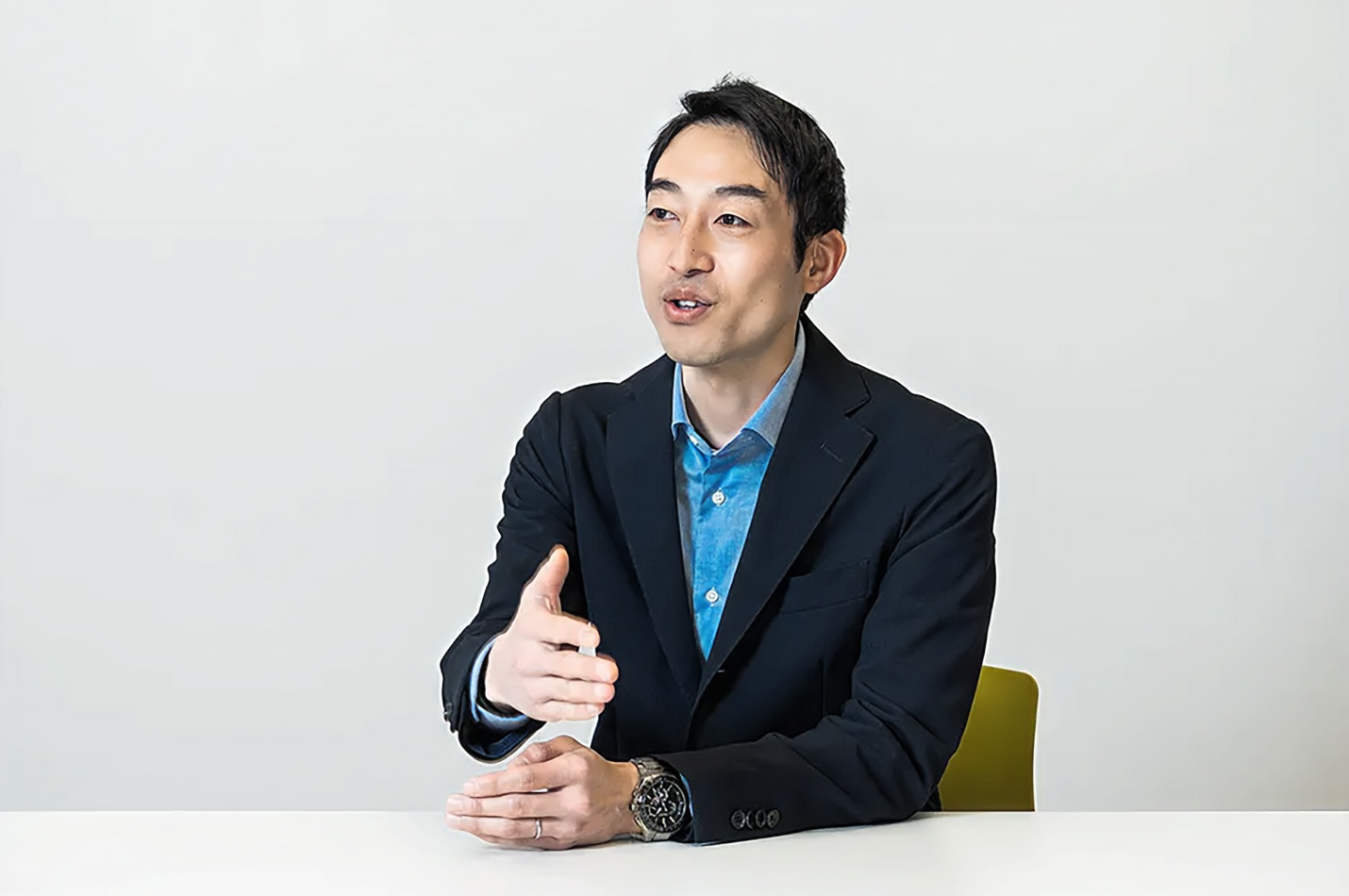
Yuta Inaba, Space Innovation Office, Sustainable Business Division, MUFG Bank, Ltd.
The potential benefits are not limited to research alone. “When Dream Chaser touches down at Oita Airport, it won’t just be returning cargo from space,” Inaba notes. “It will be bringing back cutting-edge scientific achievements. That creates opportunities for new laboratories, new business ventures, and new industries rooted in the region. The economic ripple effects could extend far beyond Oita—across Kyushu and throughout Japan.”
MUFG projects that by 2040, the economic impact of Dream Chaser’s landing operations could reach approximately 350 billion yen nationwide, including about 35 billion yen within Oita Prefecture.
The first Dream Chaser landing in Oita is scheduled for 2027, with Sierra Space’s commercial space station expected to begin operations around 2030. For MUFG, it’s not just about funding spacecraft—it’s about building the platforms that will fuel Japan’s next wave of industrial and technological leadership.
A spaceplane is not an innovation that stands on its own. Its value emerges not simply from engineering excellence, but from the systems and people that surround it. To function as part of a working industry, it requires more than launchpads and composite materials—it demands the alignment of regulation, insurance, supply chains, regional collaboration, and above all, operational trust.
In this sense, the space economy is not defined by technology alone. Its success depends on the coordination of diverse actors—engineers, policymakers, insurers, investors, and local communities—each contributing specialized capabilities within a larger, interdependent system. Where once space was the domain of government agencies and isolated expertise, it is now becoming a field shaped by co-creation across sectors.
This series has highlighted initiatives in Japan where that transformation is already underway. What they demonstrate is not simply technological ambition, but institutional learning: how to implement space infrastructure in ways that ripple across industry, education, policy, and community life.
MUFG’s role signals a broader shift in how innovation is financed—not just funding ideas but shaping the infrastructure of emerging industries. By investing early in the post-ISS ecosystem, it is helping move space from an experimental domain to the economic mainstream.
As Earth and orbit grow more connected, the real challenge is not just access—but integration. MUFG sees this not as a distant bet, but as a long-term driver of resilience and growth.
Tadashi Morimitsu
After receiving a master’s degree in English linguistics from the Graduate School of Humanities, Faculty of Law and Letters, Ehime University, Tadashi Morimitsu joined Kunisaki Municipal Government (Oita Prefecture) in April 2014. In April 2020, Oita Prefecture signed a partnership agreement with Virgin Orbit, a U.S. company that provides satellite launch services, for the first time in Asia in order to capitalize on Oita Airport as a horizontal spaceport. With this event as an impetus, he was seconded to Oita Prefectural Government in October 2020.
Ryuto Hashiba
Majored in cosmosciences at the Graduate School of Hokkaido University. While enrolled in the graduate program, Hashiba was involved in the development of an ion drift velocity analyzer for sounding rockets at JAXA's Institute of Space and Astronautical Science (ISAS). After obtaining his master’s degree, he joined Japan Airlines. He worked in operational control support for both domestic and long-haul international flights and later transitioned to new business development in 2023 through an internal recruitment program. In 2024, he was transferred to the newly established Business Development Division Space Program, a team dedicated to space-related projects.
Yuta Inaba
After graduating from the Faculty of Social Sciences, Hitotsubashi University in 2014, Yuta Inaba joined The Bank of Tokyo-Mitsubishi UFJ (currently MUFG Bank). In the corporate sales division, he gained experience serving a wide range of clients, from owner-operated companies to large publicly-listed corporations across various industries. He also worked at a Group securities company, where he was involved in M&A finance and structured finance. From April 2022 to March 2024, he was seconded to JAXA’s New Business Promotion Department.


MAR. 26, 2025
Empowering Japan’s Space Industry: How MUFG’s Financial Strength Is Shaping a More Sustainable Tomorrow
Takumi Hashizume
Space Innovation Office, Sustainable Business Division, MUFG Bank, Ltd.
Yasutaka Fujii
Mitsubishi Electric Space Business Development Center
Shohei Okano
Japan Ministry of the Environment

MAR. 27, 2025
Pioneering a Spacefaring Future: How SPACE ONE and MUFG Sparked Local Innovation in Japan’s Southernmost Town
Yoshimi Nagayama
Space Innovation Office, Sustainable Business Division, MUFG Bank, Ltd.
Yuri Katsuike
Space One Co., Ltd.
Keigo Yoshida
Wakayama Prefectural Government
Kentaro Kiyono
Undergraduate Student, Wakayama University